Doppl shut down 30 April 2026
Looking for a Doppl alternative?
What replaced it runs inside Search, on shop catalogues, and so far in no continental European country. Tryft works on the photo in front of you.
Doppl here means Google Labs' try-on app, and only that. It is not doppl.art, and not Dopple.AI, the character chatbot with the near-identical name — neither has anything to do with the app that closed.
Android only. Tryft is independent: no connection to Google Labs or Doppl, and not affiliated with Vinted or any other marketplace it works with.
The part that settles it for most of Europe
Try-on went back into Search. It has not gone to continental Europe.
Google has rolled its replacement out country by country and posted each step: the United States first, then the United Kingdom and India, then Canada, Australia and Japan, then a run of Asia-Pacific markets, then Argentina, Chile, Colombia and Mexico.
Not one continental European country is on that list. France, Germany, Spain, Italy, Poland, the Netherlands, Belgium and Lithuania — between them most of where secondhand shopping happens in Europe — are all outside it. If you are in one of them, the thing that replaced Doppl is not something you can go and use.
Google's own announcements are on itsShopping blog. It publishes no single availability page, so the list beside this is assembled from those posts rather than copied from one. Rollouts move — check before you rely on it.
Where it has been announced
United States · United Kingdom · India · Canada · Australia · Japan · Hong Kong · Indonesia · Malaysia · New Zealand · Philippines · Singapore · South Korea · Argentina · Chile · Colombia · Mexico
Reconstructed from Google's launch posts, August 2026. Not an official list, because there is not one.
What actually happened
The app closed. The technology moved.
Doppl
A Google Labs experiment. You uploaded a photo of yourself, gave it a garment image, and it produced a try-on. It ran on iOS and Android, and it was free. It did not care where the garment picture came from.
Try-on inside Google
Google retired the standalone app and put virtual try-on on product listings and image results across Search and Shopping. It runs against a retailer's catalogue item, and its country coverage is narrower — most of continental Europe does not have it.
Google's own notice about the shutdown and downloading your items ison the Google Labs help site, and it is where the date on this page comes from. Dates and coverage here describe the situation as at August 2026.
The gap it left
Catalogue try-on cannot see a hanger shot.
Try-on inside Search needs a product listing — a clean image, on a model, supplied by the shop selling it. That is a real thing to have, and it covers new retail well.
It covers none of resale. A Vinted listing is one person's photo of one jacket on a wire hanger. There is no catalogue entry behind it, no product feed, and no model. So the entire secondhand market is outside what catalogue try-on reaches — the part of shopping where you cannot try anything on, and wherea fit miss is not what buyer protection is for.
Tryft is built the other way round: it starts from the photograph, so it does not need anyone's catalogue. How it works sets out the rest of it.
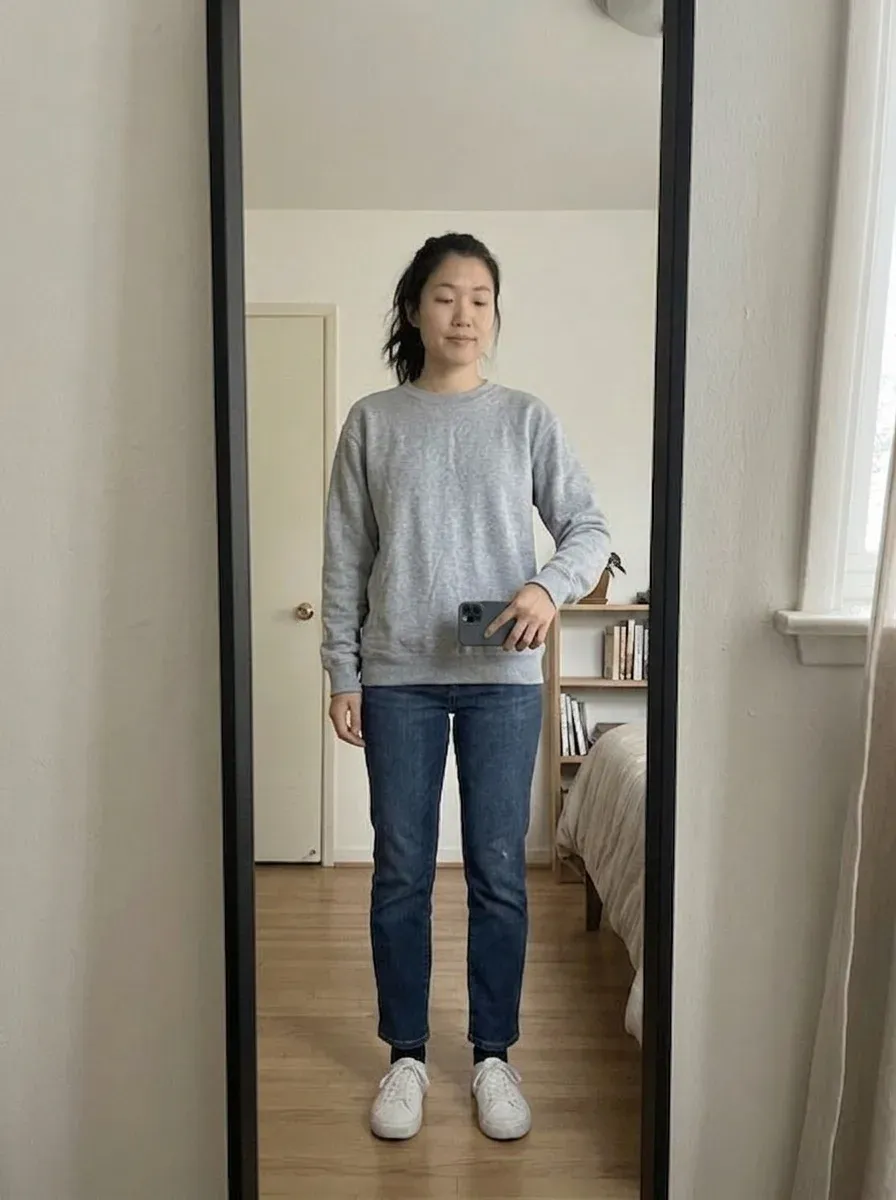
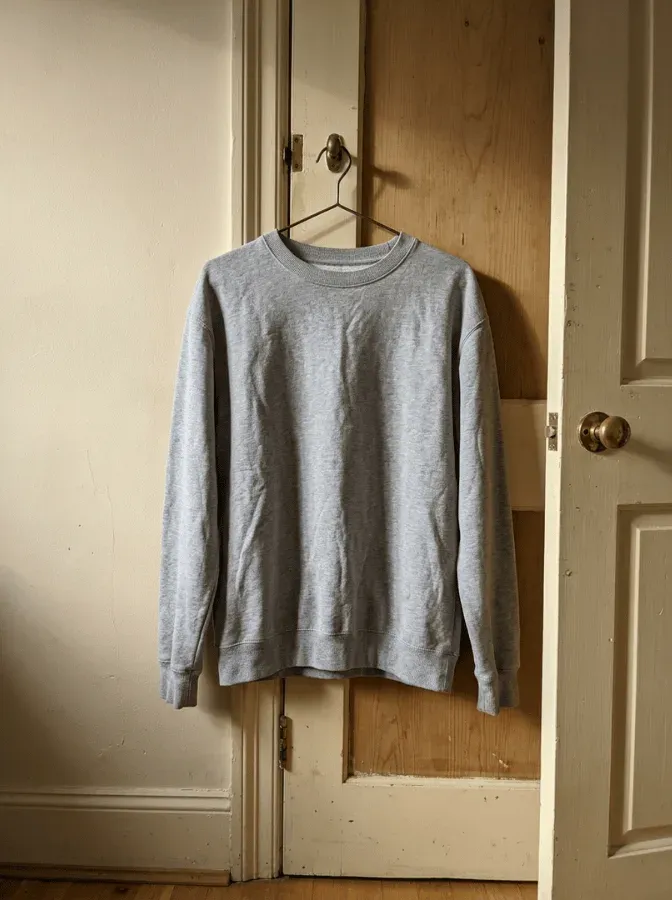
AI-generated image.
Being honest about the field
“Works on any photo” is the category, not the difference.
Search Google Play for a try-on app and you will find dozens. Nearly all of them take a garment photo you upload — Drippler, TryDrobe and TryFit among plenty of others, going by their own store listings — and a handful of web tools do the same in a browser with no app at all. Rendering from a photograph you supply is what this category does. Anyone telling you it is rare is selling you something.
Being catalogue-bound is Google's constraint, and the retailer-embedded tools'. It is not the app shelf's. So what is specific to Tryft is narrower than "any photo", and it is about resale rather than the render itself.
It starts inside the marketplace app
There is no URL to copy into a website. Tryft registers as an Android share target, so from a listing you hit share and pick Tryft, and the photo goes into your garment library without leaving what you were doing. Share the link instead and the server resolves it to the listing's own picture.
One credit renders the outfit, not the garment
Add a top, trousers and a coat and they render together, as one image, for one credit. It is not one credit per garment, so a three-item outfit costs what a one-item outfit costs. Every control that spends a credit says so next to itself, before you tap it.
A garment's colours are bought once
Previewing a colour is free. Preparing a garment so its colour can actually be changed costs one credit, once for that garment — after that every colour on it is free, in any Look and on any device you sign in to. Rendering the recoloured garment onto your photo still costs a credit, like any other render.
Two smaller ones, for completeness: a render that fails returns its credit in the same moment it is marked failed, so there is nothing to claim; and there is no subscription needed — Tryft Pro exists, adds credits each period at a better rate, and unlocks nothing.
Side by side
Where each one wins.
Google's try-on is better if…
You are buying new from a shop that Google indexes, you are in a country where it has rolled out, and you want it free and already inside the search results you were looking at anyway.
Another Play Store app is better if…
You are on an iPhone — Tryft is Android only, and several of the alternatives run on both. Or you want to drop a garment onto a photo now and then and do not mind where the picture came from: plenty of apps do that, some free with adverts, and the resale plumbing Tryft is built around would be wasted on you.
Tryft is better if…
You are buying secondhand, the only picture is the seller's, and you want it to start from the share button inside the marketplace app rather than from a browser tab. Several items render as one outfit for one credit, a garment's colours are bought once, and it works wherever Google's rollout has not reached. It costs credits, and a new account starts with a free render on a sample garment, plus one welcome credit for the first thing you find.
Questions
Moving over from Doppl.
Which Doppl does this page mean?
Google Labs' virtual try-on app for iOS and Android, which Google shut down on 30 April 2026. Two other things carry nearly the same name and have nothing to do with it: doppl.art, a website that took the name, and Dopple.AI, a character chatbot that never did try-on at all. If you are looking for something to replace the Google app, this page is about that one.
What happened to Doppl?
Doppl was Google Labs' standalone virtual try-on app. Google shut it down on 30 April 2026, removed it from both app stores, and folded the technology into virtual try-on on product listings and image results across Google. Doppl user data stopped being accessible after that date.
Is Google’s replacement the same thing?
Not for the same job. Try-on now lives inside Google Search and Shopping and runs against retailer product listings — a catalogue image, supplied by a brand. It is not a place you bring your own photo of a garment, so a secondhand listing on a resale marketplace is outside what it does. Its country coverage is also narrower than Doppl's was: every market Google has announced it in sits outside continental Europe, as at August 2026.
Is Tryft the only app that renders from a photo you supply?
No. Most try-on apps on Google Play take a garment photo you upload — Drippler, TryDrobe and TryFit among plenty of others, going by their own store listings in August 2026 — and several web tools do it in a browser with no app at all. Working from an arbitrary photo is what this category does; being catalogue-bound is Google's constraint and the retailer-embedded tools', not the app shelf's. What is specific to Tryft is the resale workflow around the render: sharing straight out of the marketplace app, several items rendered together for one credit, and a colour change bought once per garment.
How is Tryft different from Doppl?
Doppl was a free Google Labs experiment that took a garment image and put it on your photo. Tryft does that and is built around resale: it is a share target, so a listing goes in from the share button inside the marketplace app; several garments render together as one outfit; and it charges credits rather than being free. It is Android only.
What does it cost?
Credits, bought in packs inside the app, and every control that spends one says what it costs next to itself, before you tap it. One credit renders your whole outfit — every item you have added, in a single image, not one credit per garment. A render that fails returns its credit automatically. Previewing a colour is free; preparing a garment so its colour can be changed costs one credit, once for that garment, and every colour on it is free after that, though rendering the recoloured garment still costs a credit like any other render. A new account starts with a free render on a sample garment, plus one welcome credit for the first thing you find. No subscription needed.
Can I bring my old Doppl photos?
There is nothing to import — Doppl data stopped being accessible when the app shut down, and Tryft has no connection to Google Labs. You save a fresh full-length photo of yourself once, and every render after that reuses it.
Is there an iOS version?
Not yet. Tryft is Android only today. Doppl ran on both, and several of the alternatives do too, so this is a genuine gap if you are on iPhone.